Wedding Party Tent Planning: A Complete Guide for Outdoor Wedding Venues
Planning an outdoor wedding party involves many moving parts. The large party tent serves as the centerpiece — defining the spatial layout, protecting guests from weather, and setting the visual tone for the entire celebration. This guide covers the key considerations that turn a wedding tent setup from stressful to seamless.
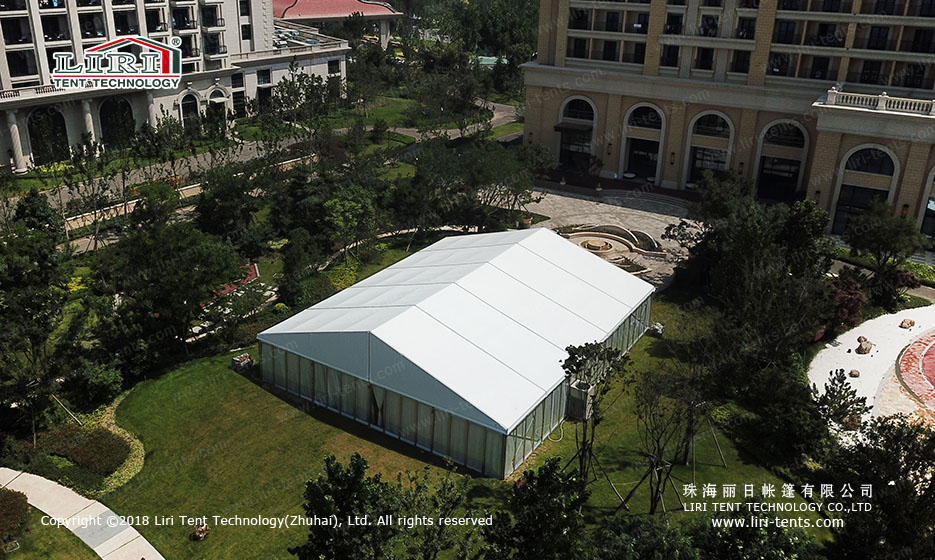
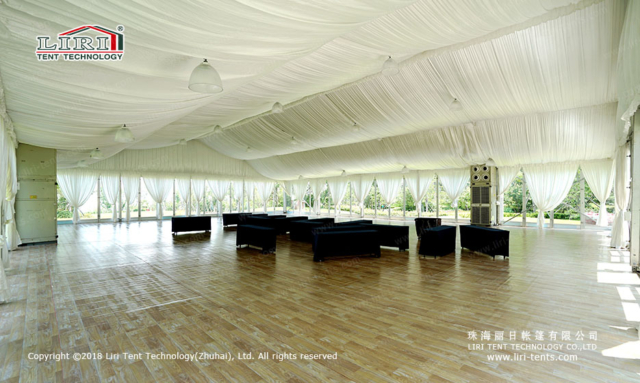
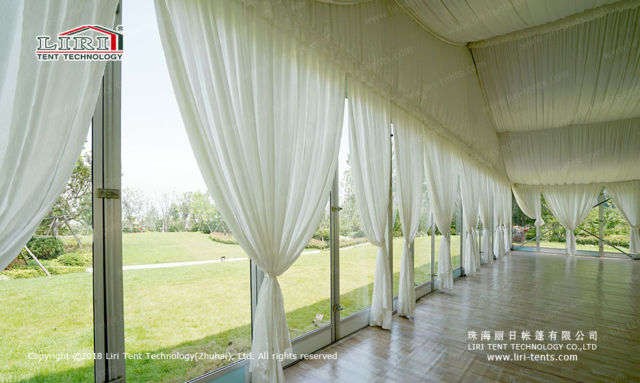
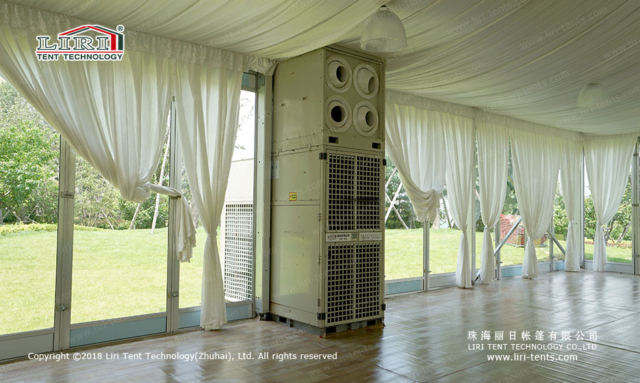
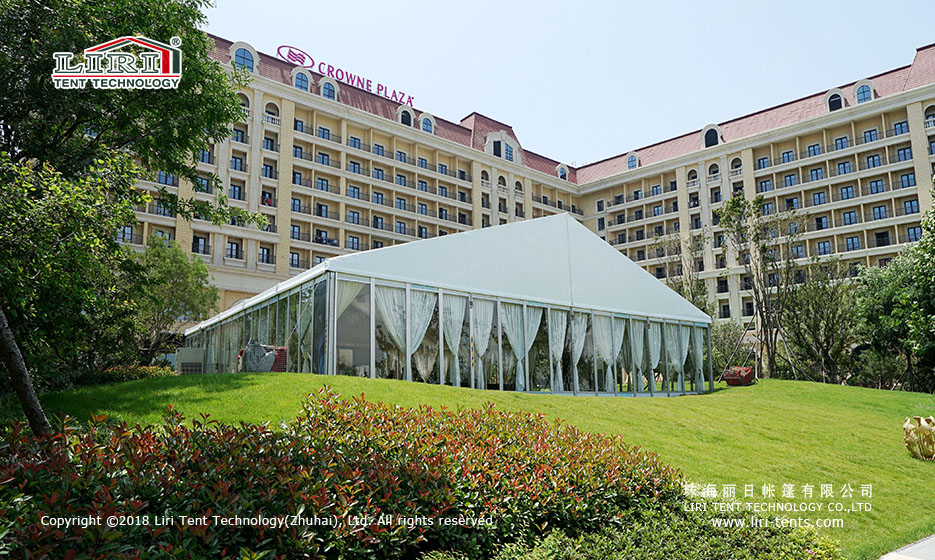
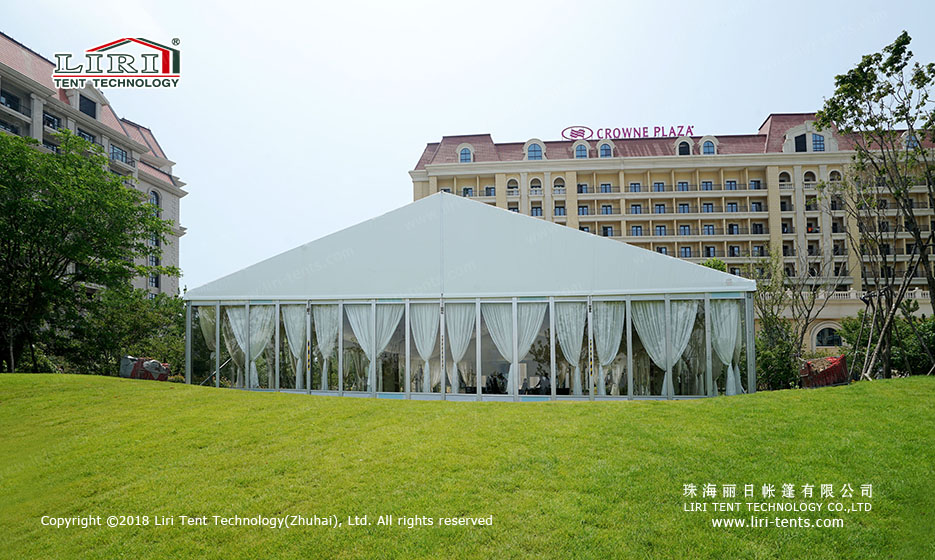
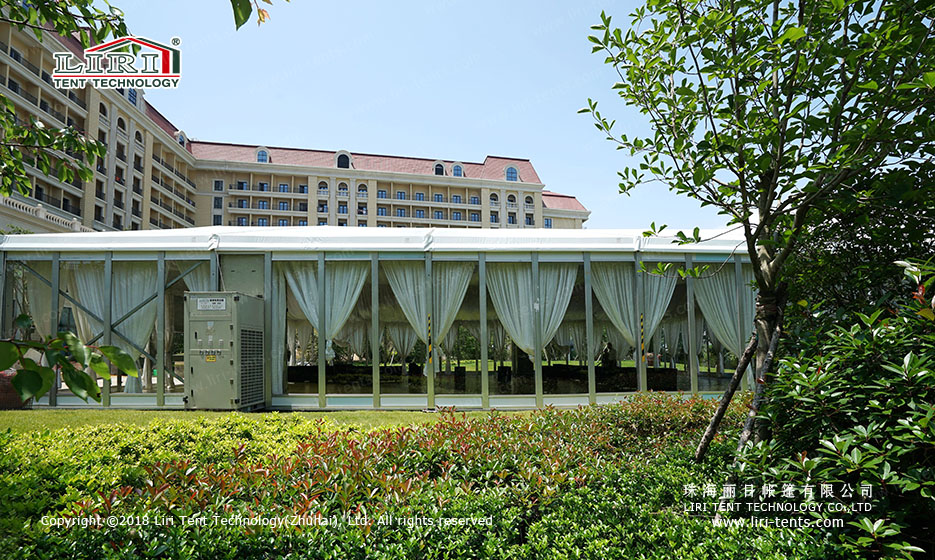
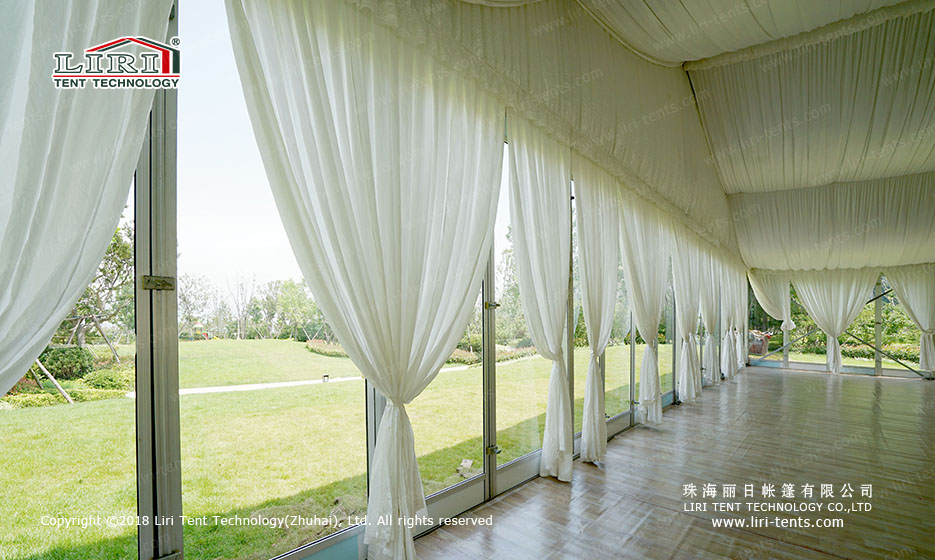
Hosting a wedding on a summer lawn gives guests a comfortable space close to nature without worrying about heat or sudden rain. A large party tent combines open-air scenery with indoor comfort. Having worked on hundreds of wedding setups, the most successful outdoor ceremonies share common planning strategies that go beyond simply choosing a tent model.
From color schemes to drapery design, tableware arrangement to invitation styling, wedding vows to bouquet toss moments — these visual elements all need to work within the tent’s spatial constraints. Below are the practical steps that experienced planners follow.
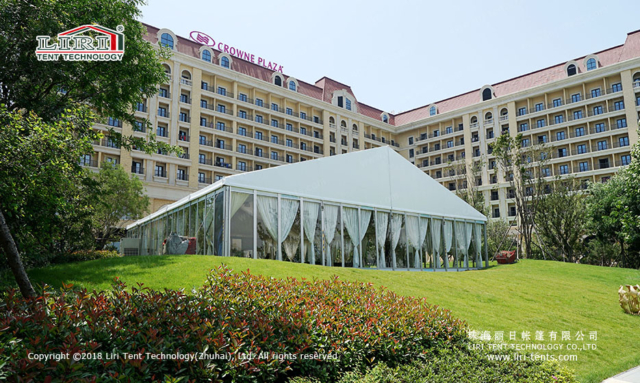
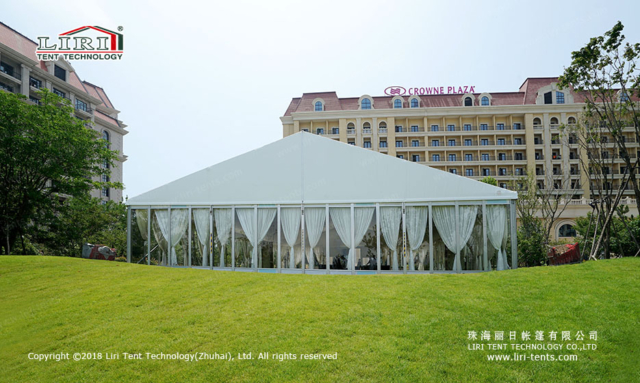
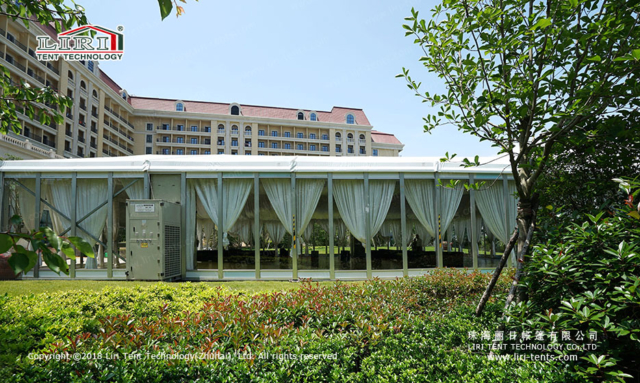
Eight-Week Pre-Wedding Planning Timeline
The advantages of wedding party tents were introduced in an earlier article on budget weddings with wedding tents. Here are the critical steps that deserve extra attention.
Book Tent Installation Early
Although the actual tent erection takes only one week, preparation of decorative elements — tables, chairs, lighting, carpets, linens — should run in parallel. Setting aside the installation slot at least four to six weeks before the wedding date is a healthy habit. A two-week buffer for unexpected weather or site conditions prevents last-minute panic. The more lead time you allow, the smoother the coordination between tent crew, florist, caterer, and AV technicians.
Select and Prepare the Venue Site
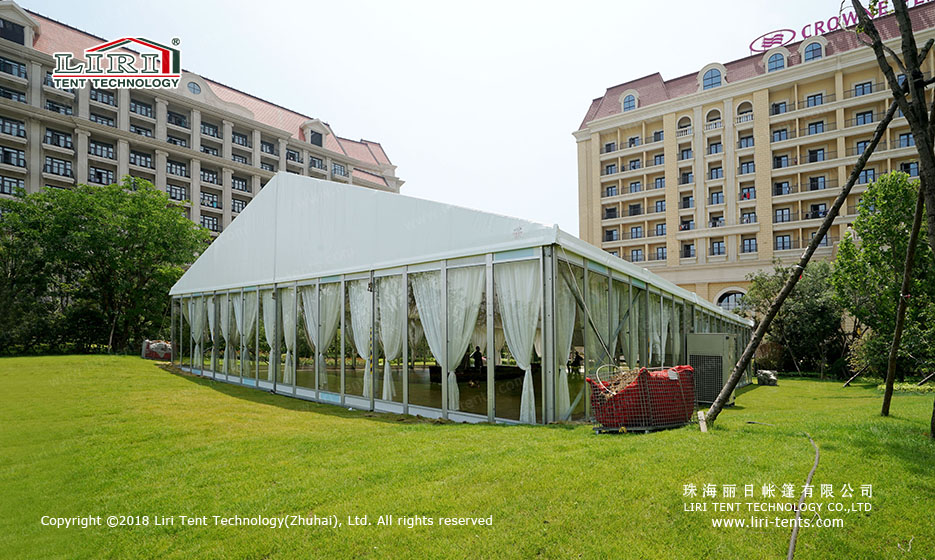
Common choices — lawns, seasides, beaches, parks — are beautiful and comfortable. Private gardens or special-permit locations require advance application and approval. Unlike hotel ballrooms, outdoor tent weddings demand more site preparation. Soft ground surfaces typically need an additional layer of modular flooring system or a leveled platform to support heavy furniture and high-heeled guests. Some sites even require poured concrete strips for critical load-bearing areas. A pre-installation site inspection by the tent supplier identifies these needs before the setup crew arrives.
Arrange Wedding Catering Logistics
Food service in a tent environment is different from a fixed kitchen. Work with a catering company that has experience with temporary structures. Key considerations include:
- Power supply — Chafing dishes, refrigerated stations, and coffee machines need dedicated circuits, not just extension cords
- Water access — Hand-washing stations and dish rinse areas require nearby supply lines or portable tanks
- Ethnic cuisine — Many couples request specific ingredients based on cultural traditions; confirm sourcing with the caterer three weeks in advance
- Buffer stock — Order 10% extra portions to account for unexpected guests or delayed service windows
Hire a Wedding Planning Agent
If managing everything yourself feels overwhelming, a responsible wedding tents for sale planning company can act on your behalf. They provide multiple executable plans based on your vision, handle vendor coordination, and flag potential issues before they become problems. An experienced agent also negotiates tent rental terms and ensures the installation timeline aligns with your florist’s delivery schedule.
Wedding Party Tent Specifications and Size Selection
Choosing the right tent size starts with the guest count and seating arrangement. Use these rough guidelines:
- 50 guests — 6m × 9m (20 × 30 ft) for seated dinner with dance floor
- 100 guests — 9m × 15m (30 × 50 ft) with buffet stations and bar
- 200 guests — 12m × 24m (40 × 80 ft) for full ceremony plus reception
- 300+ guests — 15m × 30m (50 × 100 ft) or modular multiple tents connected via covered walkways
These estimates assume round tables seating 8-10 guests each plus a dance floor, head table, and catering stations. If the tent also hosts the ceremony itself, add 20% to the floor area to accommodate aisle space and an altar area.
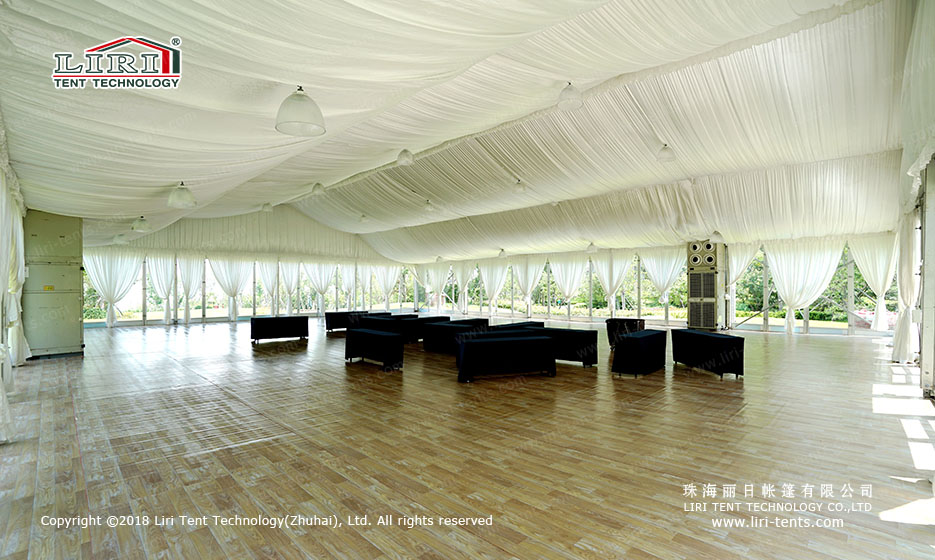
Frame selection matters just as much as size. A outdoor wedding tent with an aluminum clear span frame offers the most flexibility for wedding layouts because there are no center poles blocking sightlines or interrupting table placement. Peak height should be at least 5 meters for an airy feel and to accommodate decorative draping, chandeliers, and uplighting fixtures.
| Span Whidth | Eave Height | Ridge Height | Bay Distance | Main Profile |
| 3m | 2.6m | 3.16m | 3m | 100x48x3.0mm (4 – channel) |
| 4m | 2.6m | 3.35m | 3m | 100x48x3.0mm (4 – channel) |
| 5m | 2.6m | 3.52m | 3m | 100x48x3.0mm (4 – channel) |
| 6m | 2.6m | 3.71m | 3m | 100x48x3.0mm (4 – channel) |
| 8m | 2.6m | 4.05m | 3m | 100x48x3.0mm (4 – channel) |
| 9m | 2.6m | 4.24m | 3m | 100x48x3.0mm (4 – channel) |
| 10m | 2.6m | 4.4m | 3m | 100x48x3.0mm (4 – channel) |
| 12m | 2.6m | 4.76m | 3m | 100x48x3.0mm (4 – channel) |
Weather Contingency Planning
Outdoor weddings face three common weather risks: wind, rain, and temperature swings. A properly anchored tent handles light to moderate rain without issue — sidewalls keep the interior dry while allowing airflow through mesh panels. For wind, weight plates on each leg (minimum 40 kg per plate on a 10m span) provide stability without damaging the ground. For cold evenings, portable patio heaters or forced-air heaters placed at perimeter intervals keep guests comfortable without creating hot spots near the dance floor.
Having a backup plan for extreme weather is equally important. Discuss with your tent supplier the rainwater management strategy — gutters and downspouts on larger tents prevent water pooling on the roof. For summer weddings, sidewall ventilation panels can be opened to maintain airflow while still providing shade. A weather monitoring service that alerts the venue of approaching storms gives the coordinator enough time to move guests to sheltered areas if needed.