Professional modular tent structures are the flexible solution for efficient temporary buildings. Whether for large-scale warehousing, exhibition centers, or as an event tent (such as a party tent), the Clearspan design provides column-free, maximized space. We offer rent-or-buy flexible options to meet your short-term or long-term project needs.
Choosing high-strength aluminum frames and durable PVC tarpaulins is key to ensuring structural safety and long-term value.
If you want to know more about these versatile party tents and get a free quote, just SEND your detailed product inquiry. We will get back to you as soon as possible.
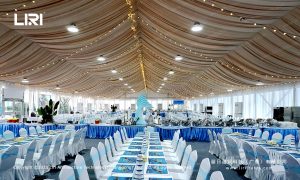
Event Tent for 100 People: Size, Layout, and Site Planning
Planning an event tent for 100 people starts with one question: how much floor do 100 guests take up once tables, chairs, a dance floor, and walkways go in ...
Party Tent for 50 Guests: Seating, Space, and Setup
A party tent for 50 guests sits in a sweet spot: large enough for a real celebration, small enough to drop into a backyard without feeling boxed in ...
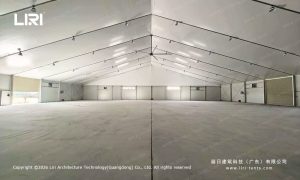
50×100 Large Tent: Moving, Powering, and Running a 5,000 sq ft Clear Span
A 50x100 large tent is one of the biggest clear span structures you can set up without interior posts ...
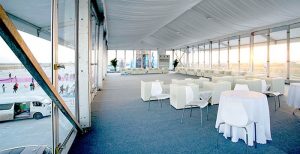
40×40 Party Tent: Layout and Site Planning for Large Events
A 40x40 party tent covers 1,600 square feet, enough for a seated dinner, a dance floor, and lounge space under one roof ...
30×60 Commercial Tent: What It Covers and How to Plan One
A 30x60 commercial tent gives you a 1,800 square foot clearspan shelter with no interior poles in the way ...
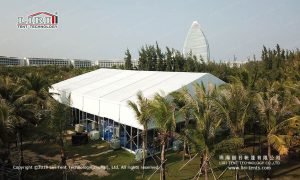
30×30 Wedding Tent: Seating 150 Guests with Room to Dance
A 30x30m big wedding tent gives you 900 square feet of open floor, enough for a 150 guest seated dinner and a dance floor in the same space. This covers ...
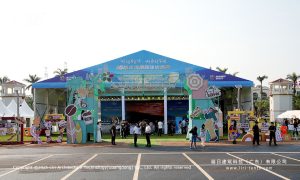
20×40 Party Tent for Sale | Catering Rows and Larger Receptions
A 20x40 party tent for sale covers 800 square feet under one roof. That footprint works for catering rows, larger receptions, and vendor lines where guests and staff need shelter ...

20×30 Party Tent | Backyard Receptions and Seating Layouts
A 20x30 party tent gives you 600 square feet of covered space on a rectangular footprint. That size suits backyard receptions, birthday parties, and small celebrations where guests need shelter ...
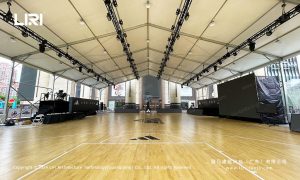
20×20 Event Tent | Festival Booths and Community Gatherings
A 20x20 event tent gives you a 400 square foot floor on a compact, square footprint. It fits festival booths, community gatherings, and small corporate setups where you need a ...
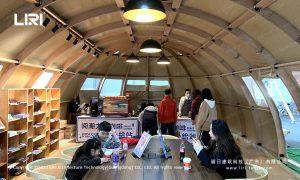
10×20 Party Tent for Sale | Backyard Gatherings and Vendor Booths
A 10x20 party tent for sale covers 200 square feet, enough for a small reception, a vendor booth, or a backyard get-together. This size sits between a pop-up canopy and ...
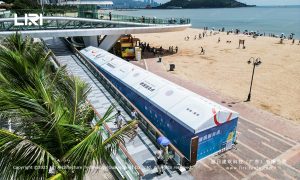
How Big Is a 10×10 Party Tent and What Fits Inside?
A 10x10 party tent is the smallest standard frame size most suppliers stock, and it is the one people reach for when the guest list is short and the space ...
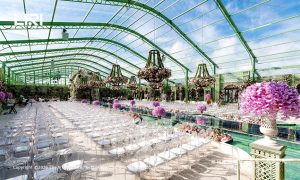
Green-Frame Arcum Aluminum Orangery | 30x40m Glass Wedding Venue
A 30x40m arcum aluminum orangery in green frame turns a private estate into a year-round glass conservatory for weddings and galas. The owner wanted a permanent structure that felt like ...
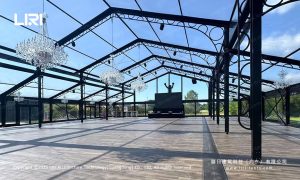
Aluminum Orangery 25x35m | Black Frame Glass Conservatory in an Orchard
A 25x35m aluminum orangery in an orange grove signals something specific. The owner wanted a permanent event space that felt like a garden conservatory, not a warehouse with painted walls ...
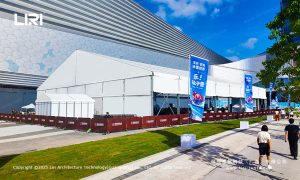
Outdoor Opening Ceremony Party Tent for Urban Plazas | A White A-Frame Setup for an Ice World Brand Launch
The plaza was already booked before the tent was. A coastal urban square in Shenzhen was reserved for a one-night opening ceremony for a winter ice world brand, so the ...
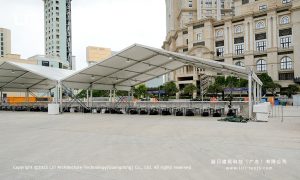
Award Ceremony Party Tent for Outdoor Plazas | A White A-Frame Setup for a Coastal Gala
The client did not pick the site. The site picked the tent. A coastal urban plaza was already booked for a one-night corporate award ceremony, so the brief was simple: ...
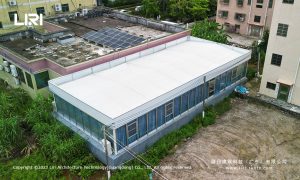
Flat-Roof Meeting Room Tent | A Permanent Modular Structure That Doubles as a Restaurant
A flat-roof meeting room tent built next to an existing factory block signals something specific ...
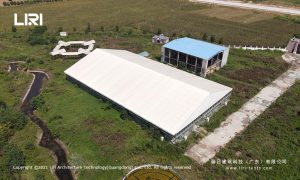
40x70m Wedding Tent for 600 Guests | Glass-Wall Marquee Install Record
A 40x70m wedding tent holds 600 seated guests under one clear-span roof. The aluminum frame needs no internal columns ...
Branded Event Tent for Hainan Coffee Month | Custom Printed Coffee Festival Setup
Front entrance and festival signage Hainan Coffee Month drew more than 50,000 visitors over a four-week run on the provincial coast ...
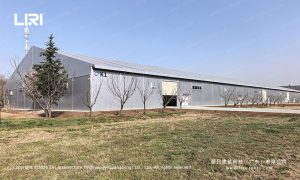
Aircraft Hangar Tent in Xi’an Jingbian: Clear Span Shelter for Military Operations
When a military base near Xi'an needed additional covered space for aircraft and vehicle maintenance, the project team chose a warehouse tent solution that could be delivered quickly and relocated ...
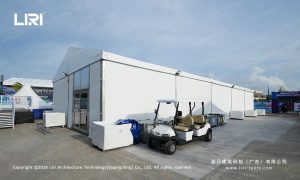
Sanya Formula E Party Tent Village | Multi-Zone Motorsport Event Tent Setup
When an international single-seater series arrives in a tropical coastal city, the event organizer rarely has the luxury of an existing permanent venue ...
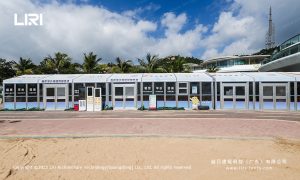
Beachfront Aluminum Kiosk Tent at Zhuhai Xianglu Bay | Coastal Retail Setup
The shoreline promenade at Zhuhai's Xianglu Bay draws several thousand visitors each weekend, and a permanent brick-and-mortar café would have meant a six-month permitting cycle plus a coastal construction review ...
