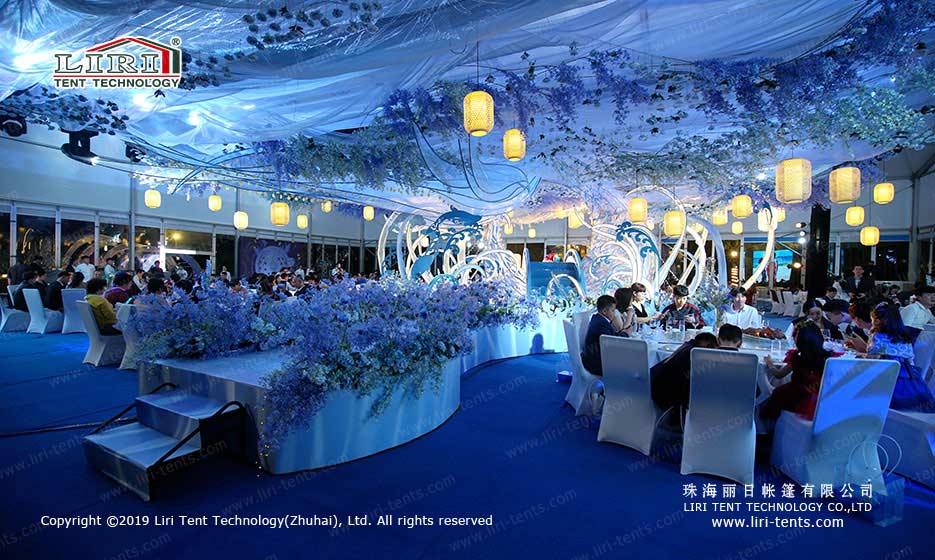
Party tent lighting does more than just help guests see after dark — it sets the entire mood of the event. A well-lit tent transforms a plain structure into a warm, inviting space that guests remember. From string lights draped across the ceiling to uplighting along the walls, the right party tent lighting setup turns an ordinary gathering into something special.
Lighting acts as a silent designer inside any tent. It guides guests through the space, highlights key areas like the dance floor or dining tables, and softens the overall atmosphere. Unlike permanent buildings, tents offer a blank canvas — the walls and ceiling are neutral, which means lighting choices have an outsized impact on the final look and feel of the event.
Choosing the Right Types of Party Tent Lights
Several lighting options work well inside party tents, and each serves a different purpose. LED string lights are the most popular choice because they run cool, consume very little power, and come in warm white or multicolor options. They work well draped along the ridge line or zigzagged across the ceiling panels.
Uplights placed along the tent walls create a dramatic glow that highlights the fabric and makes the space feel larger. Battery-operated LED uplights eliminate the need for extension cords running across the floor. Spotlights with gobo patterns project shapes like stars, snowflakes, or logos onto the tent ceiling — a popular choice for branded corporate events and themed weddings.
Chandeliers and pendant lights add a touch of elegance, especially in luxury party tent setups. These hanging fixtures work well in clear-span structures where the frame supports the weight without sagging. For a softer glow, paper lanterns and fabric-covered pendants diffuse light evenly across the space.
LED Lighting: The Smart Choice for Party Tents
LED lights have become the standard for tent lighting, and for good reason. They produce very little heat compared to halogen bulbs, which matters inside a confined tent space — especially during warm-weather events. LEDs also draw less power, meaning a single standard outlet can run several strands without tripping a breaker.
Color-changing RGB LEDs give event planners the flexibility to shift between warm white for dinner, blue for an after-party vibe, or custom colors that match a brand palette. Many rental companies now stock battery-powered LED uplights and string lights specifically for tent events.
Dimmable LED options allow the host to adjust brightness throughout the evening. Bright lighting during the cocktail hour keeps the energy up, while dimmer settings after dinner encourage guests to linger and socialize.
Placement Strategies for Maximum Effect
Where you place the lights inside the tent matters as much as the type of light you choose. A common mistake is lighting only the center of the tent while leaving the perimeter dark. This creates a harsh contrast that makes the space feel smaller. Instead, layer the lighting in three zones: overhead, mid-level, and accent.
Overhead lighting provides general illumination. Mid-level lighting such as lanterns on columns or LED candles on tables creates warmth at guest height. Accent lights highlight specific features like the bar or cake table. This three-layer approach creates depth and keeps the tent from feeling flat.
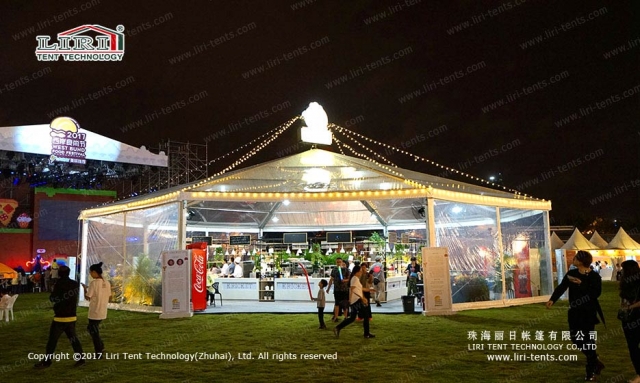
For clear top tent structures, natural daylight during the event reduces the need for artificial lighting. In the evening, the transparent panels let interior light spill outward, creating a glowing beacon effect that draws guests toward the entrance.
Lighting for Different Party Tent Styles
The tent style influences which lighting approach works well. Frame tents with straight walls accept chandeliers and pendant lights because the rigid frame provides stable attachment points. Pole tents with peaked roofs work beautifully with string lights radiating from the center pole outward — a classic look for weddings.
Tipi-style tents benefit from a single central light source at the peak, casting light evenly down the sloping walls. For transparent party tent designs, lighting from the outside in creates the most striking visual effect as light passes through the clear walls. Pagoda and multi-peak tents offer multiple high points where statement fixtures can hang.
Power Budgeting and Generator Requirements
Each strand of 100 LED mini-lights draws 20-30 watts. A tent with 20 strands uses 400-600 watts. A 20×40 tent with full lighting plus basic AV needs a minimum 5kW generator. For multiple tents, plan a central power distribution panel. Renting from a supplier who understands tent electrical requirements saves troubleshooting time.
What is our pricing strategy? Is our price competitive compared to other competitors? Is there any historical price data or market feedback to share?