A beer festival tent is a high-traffic temporary structure purpose-built for beverage service events. Unlike consumer pop-ups, these are commercial tents engineered for crowd flow, spill management, vendor setup, and rapid deployment across multi-day festivals. The right tent keeps service lines moving, survives weather that would shut down an uncovered setup, and still looks presentable after a week of heavy use — which is why festival organizers treat the tent specification as a business decision, not a logistics afterthought.
Specifying a tent poorly creates three problems that directly cut revenue: bottlenecked service lines that limit sales per hour, weather shutdowns that wipe out entire sessions, and structures that look worn after one season. A properly selected festival tent pays for itself within 2-3 events through faster setup labor, higher throughput, and the ability to keep pouring through light rain. For organizers who keep growing year over year, tent systems also remove the venue-size ceiling that limits most indoor spaces.
Sizing a Beer Festival Tent for Real Crowd Flow
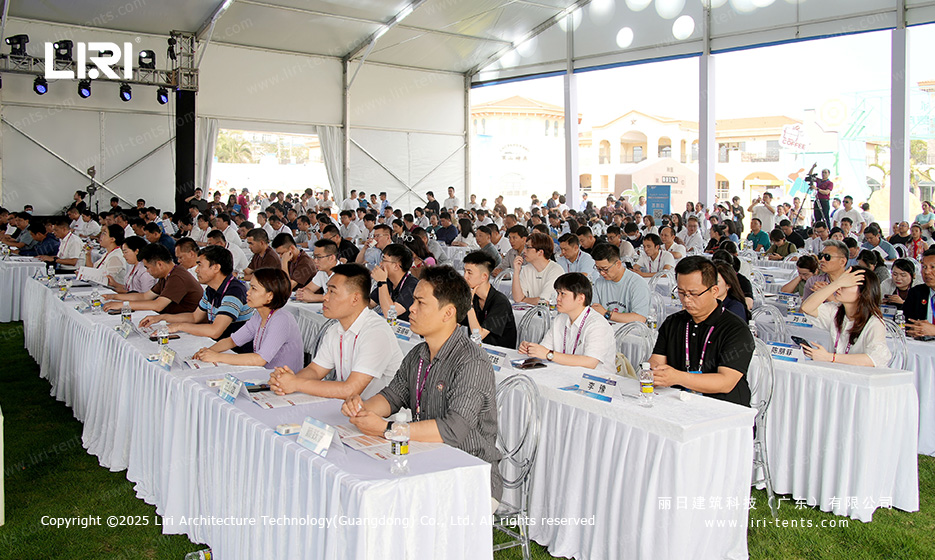
Beer festivals need different math than seated events. Standing crowds at service counters use 0.5-0.7m2 per person, compared with 1.2-1.5m2 for seated dining. For 500 attendees with 8-10 vendor stations, a 15x25m tent at 375m2 provides comfortable flow. For 1,000 people, plan on 20x35m with 15-18 vendors, and for 5,000, use a cluster of tents rather than one massive structure — typically a main tent around 25x40m plus two or three satellite units.
Festival organizers who run multi-vendor events often start with the festival party tent range and add satellite units as ticket sales grow. Add 15-20% to the calculated area for queue space, barrel storage, and emergency egress paths. The most common mistake is sizing only the vendor footprint: a beer line 15 people deep needs about 10m2 of queue area per vendor station, and skipping that buffer turns a well-sized tent into a bottleneck within the first hour. Mapping the counter layout onto the floor plan before ordering is the most effective safeguard against opening-day congestion.
Flooring, Ground Preparation, and Drainage
Beer festivals spill, so the floor plan has to absorb it. On grass or dirt sites, interlocking plastic floor tiles around 40x40cm with a 2 tons/m2 load rating cover the entire service area — they level uneven ground, drain quickly, and clean easily between days. On hard surfaces, textured rubber matting in service zones prevents slipping. Budget-conscious organizers can step down to economy festival tent packages without losing the structural rating of the frame. Indoor venues need standard event flooring plus spill containment mats under each vendor station.
Untreated plywood is a common mistake that shows up by day two: it absorbs beer, warps, and becomes a slip hazard. Instead, prepare the ground with a 1-2% grade for drainage away from service areas, and add a perimeter trench if the site has poor natural drainage. For touring festivals that rebuild every weekend, a modular flooring system pays for itself in setup speed and damage prevention across the season.
Weather Planning for Multi-Day Festivals
Three weather threats need three separate answers. Wind: specify frames rated for 80-100 km/h with ground anchors — avoid water ballasts in cold conditions because they freeze and need constant refilling. Install wind walls on the prevailing side while keeping the service counter side open for crowd flow. Most operators cross-check the local wind zone against the festival concert venue tents used at comparable events before finalizing the anchor plan. Rain: standard PVC roofs handle water, but runoff is the real problem; a 20x30m tent sheds roughly 600 liters of water per millimeter of rain, so gutters and downspouts with collection barrels prevent flooding at the tent edge.
Heat: open-side configurations provide natural ventilation, while enclosed tents in summer need industrial fans spaced about every 10m of length. Choose white or light-colored roofs with a reflective topcoat — dark roofs add 5-8 degrees Celsius to interior temperature in direct sun. Multi-day festivals should also keep a standby plan: if conditions exceed the tent’s rated specification, have a pre-arranged shelter location and a clear communication plan for vendors.
Accessories, Branding, and Setup Speed
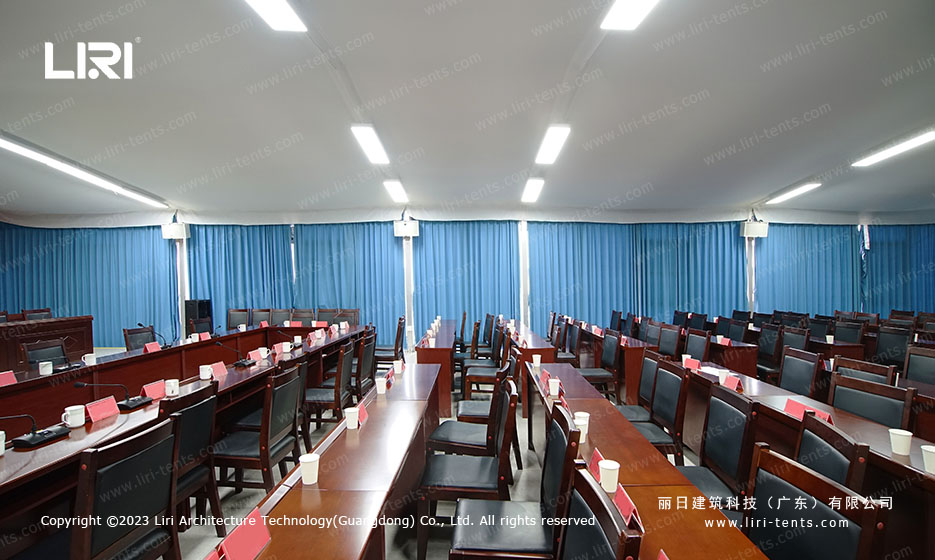
The accessories list for a beer festival tent is short but specific: sidewalls with clear windows for daytime light, rain gutter systems on multi-tent sites, ground anchors matched to the local wind zone, interior lighting rigs, festival-grade flooring, and vendor counter integration points. For smaller vendor footprints, compact festival store tents deliver the same weather protection at a fraction of the footprint. Branded panels are the revenue generator — PVC fabric accepts UV-resistant digital printing at up to 1440 dpi, so roof panels and gable ends can carry sponsor logos visible in aerial footage. Printing adds 15-25% to fabric cost but typically pays for itself through sponsor revenue at the first event.
Setup speed decides whether a touring festival is profitable. A 15x25m tent installs in 4-6 hours with a four-person crew on a level site, and dismantling takes 3-4 hours. Frames with quick-connect couplers cut setup time by 30-40% compared with bolted steel systems, and pin-and-clip aluminum connections need no tools at all — a crew can erect a 20x30m structure in a single day. When sites change weekly, that difference in labor hours is money in the budget.