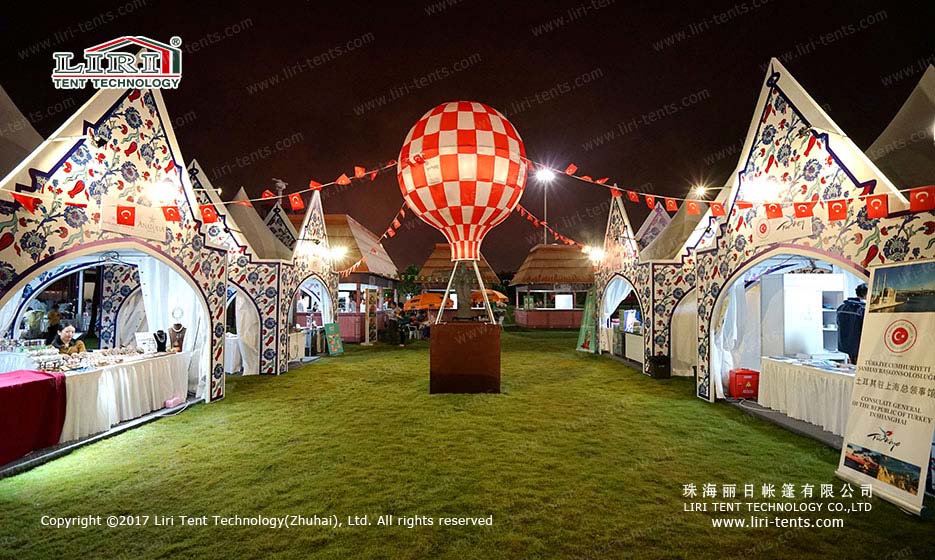
Picking the right party tent shapes whether an outdoor gathering feels effortless or turns into a logistics headache. The frame, fabric, and footprint you choose decide how many guests stay comfortable when the wind picks up or the sky opens. Most buyers narrow the field by answering three questions first: how many people need cover, what surface are you setting up on, and how often will you use the structure. A tent that fits the brief protects your budget as much as your guests, because the wrong size forces a last-minute upgrade or leaves people crowded under a leaky edge.
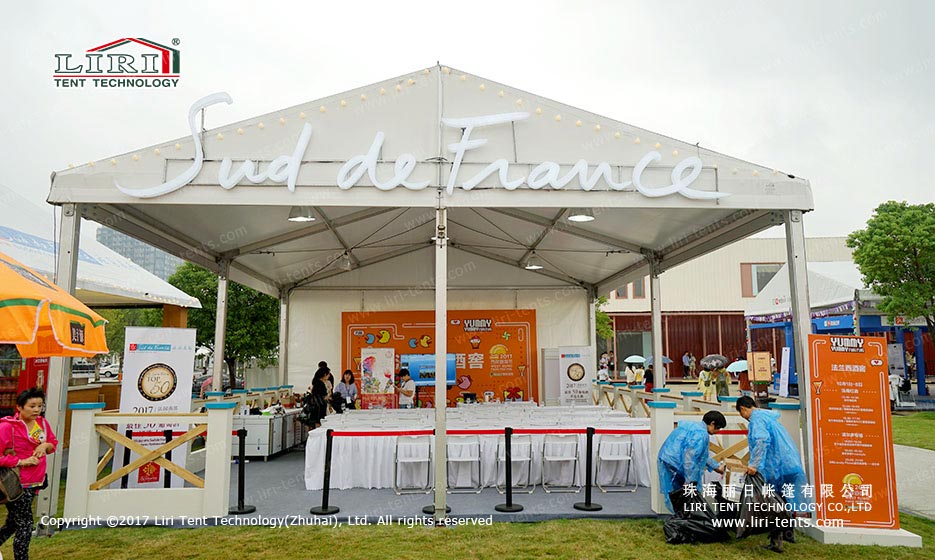
Start With Guest Count and Layout
Headcount drives every other decision. A seated dinner needs roughly 1.2 to 1.5 square meters per guest, while a standing reception fits more tightly at about 0.8 square meters. A 10x20m frame tent covers around 200 square meters, which seats 130 to 160 for dinner or holds 250 for a mixer. If you expect 300 guests plus a dance floor and buffet, move up to a large party tent in the 15x30m range. Sketch the layout before you commit: bands, bars, and buffets eat floor space that guests do not occupy.
Match the Frame to the Surface
Hard pressed extruded aluminum frames, typically 6061/T6 with an anodized finish, handle grass, asphalt, and concrete equally well because they use temporary ballast or ground anchors instead of permanent footings. On soft ground, peg anchors and water weights hold a structure through 80km/h gusts when specced correctly. For a outdoor party tent on a lawn, ask the supplier for soil-appropriate anchoring rather than assuming stakes will do the job. Modular flooring systems level uneven patches and protect turf from heavy foot traffic during a multi-day event.
Fabric and Weather Protection
Commercial PVC covers rated 650 to 900g per square meter shrug off driving rain and block most UV. Look for RF-welded seams rather than stitched ones so water cannot track through needle holes, and confirm a B1/M2 fire-retardant certificate if the venue requires it. Transparent roof panels trade some shade for natural light and sharper photos, while solid white tops keep the interior cooler at midday. Sidewall options such as clear windows, zip doors, and glass walls let you tune privacy and airflow per event without swapping the whole cover.
Buy, Rent, or Go Used
Frequent hosts save money by owning, while once-a-year organizers usually rent. If you want ownership without full retail cost, choosing the right tent size matters more than the badge on the frame, because a tent you outgrow costs more in the long run than a slightly pricier correct size. Inspect used frames for corrosion, check fabric for UV cracking, and verify every connector ships with the unit before you pay. A missing base plate can delay an event by weeks while a replacement ships from the factory.
Decoration and Finishing Touches
Lining, uplighting, and draped sidewalls turn a bare frame into a finished room. Browse party tent decoration ideas to see how lining kits and lighting plans pair with different frame shapes. Chandeliers, floral arches, and climate control round out a premium setup that justifies a higher per-event rate.
Anchoring and Permits
Anchoring method depends on surface and wind exposure, not just tent size. Ballast weights suit decks and paved areas where pegs cannot bite, while helical or plate anchors suit open ground. Most towns treat tents under 200 square meters and deployed under 180 days as temporary structures with light permitting, but larger or longer installs usually trigger stamped engineering and inspection.
Surface and Ground Prep
Before the crew arrives, walk the site and note slopes, underground utilities, and soft spots. A string line shows where water will pool, so you can place the tent on the high side or add drainage. Mark sprinkler lines and cables so anchors never strike them. For a party tent on a public lawn, confirm which anchor type the venue allows, because some parks ban pegs that could damage irrigation.
Lighting and Power
Plan power before you decorate. Run a dedicated feed for catering and another for lighting so a tripped breaker never kills both. Uplighters inside the canopy make plain white fabric glow, and string lights along the frame read as finished rather than temporary. With no grid power on site, size a generator to the load plus 30 percent headroom and keep it outside the guest area with a quiet exhaust path.
Budget and Hidden Costs
The frame is the largest line item, but flooring, lining, climate control, and delivery add up quickly. Ask for a quote that separates the structure from accessories so you can trim the latter if the budget tightens. Used or rental frames lower the entry cost, while owning pays back after a few events once crew and transport are your only recurring expenses.