Starting a party tent rental business does not need a warehouse full of tents. It needs one or two tents that suit the bookings you are most likely to win. This guide explains what to buy first, why a plain frame tent usually earns its keep fastest, and which small items new rental companies forget. Read it before you place a first order, so you know what to ask a supplier and what to leave until later.
Start with the work you expect to win
Most new rental companies get small local jobs first. Think of birthdays, family gatherings, school fairs, small wedding meals and market stalls. Write down the three kinds of events you expect in your first year, and note where they happen. Some are on a lawn, some on a driveway, and some on a paved yard behind a hall.
That short list should decide the tent. Buying for the biggest job you can imagine often leaves you with a tent that is slow to put up and hard to store. A tent sitting in storage earns nothing, however good it looks in a catalogue. Start with the size that will go out most weekends.
Ask people who already hire tents what they get asked for. A few honest answers are worth more than a long list of sizes. They will also tell you which months are busy, so you can plan the order around real demand rather than a guess.
A frame tent is the easiest first tent
A frame tent is a tent whose metal skeleton holds up the roof. It stands on its own, with no pole in the middle of the floor. That open floor is the main reason rental companies like it: tables, a buffet and a clear walkway can go almost anywhere inside.
The same tent works on grass and on paving, which matters when every booking is on a different site. You can also add sidewalls later. Sidewalls are the fabric or glass panels that close the open sides, and they let one tent serve a sunny afternoon or a cool evening. You can see the range of party tents and compare widths on one page before you decide.
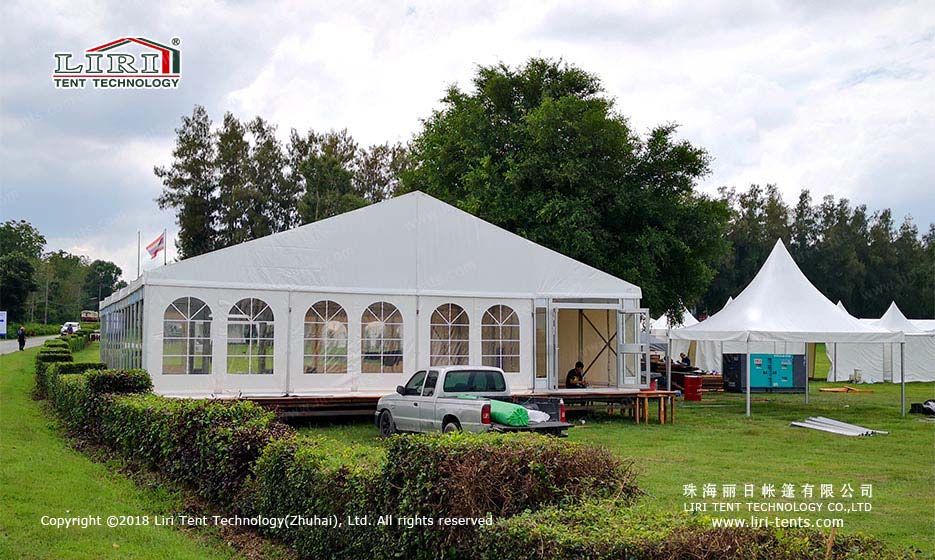
A pole tent is cheaper to look at, but it relies on ropes and stakes driven into soft ground. It needs room around it and a surface that can take those stakes. For a first purchase, that limits the jobs you can say yes to. A frame tent asks fewer questions of the site.
Buy two useful sizes, not five
Pick one mid-size tent and one larger one from the same frame family. Keeping the same family means the sidewalls, spare parts and tools fit both. A new company gains far more from two tents it can hire every week than from five that only suit one job each.
Keep the units straight when you compare quotes. Catalogues usually list tents in metres, while some suppliers write feet. A 6 m by 12 m tent is about 20 ft by 40 ft. Write the unit next to every number on your notes, so nobody orders the wrong width by mistake.
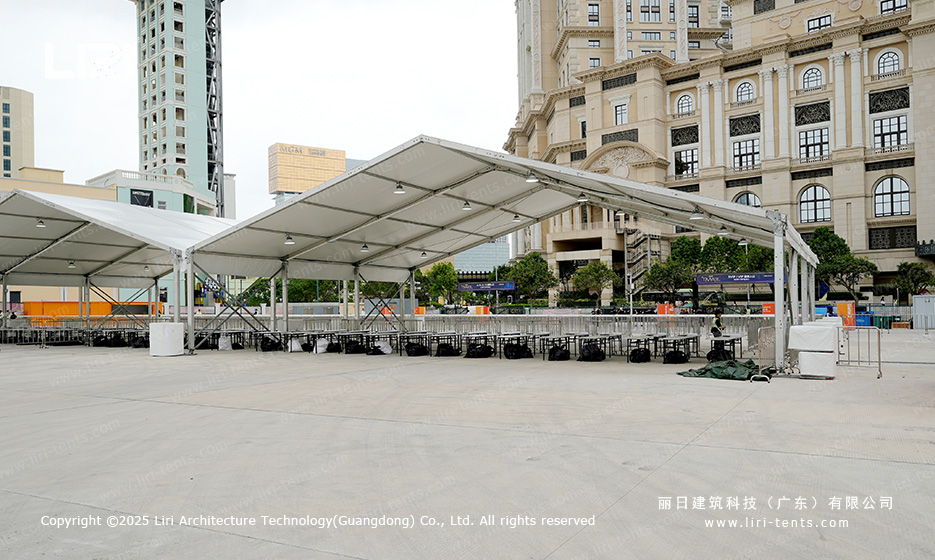
Do not choose a size by floor area alone. Area does not tell you how many guests will fit, because tables, chairs, a food table and a walkway all take room. Tell the supplier what your events look like and let them check the layout against the size. Two different customers can need very different tents at the same width.
The small parts belong in the first order
A tent is more than a roof and a frame. Order sidewalls for each size at the same time, plus the pegs, ropes, bags and a small repair kit that go with them. These are cheap next to the tent, and a missing one can stop a booking on a Friday afternoon.
Check that the sidewalls match the exact width you ordered. They are cut to fit a bay, which is one section of the frame along the long side. A panel made for a different width will not sit right. The basic parts and optional extras list is a useful prompt when you write the order.
Solid white panels give shade and a plain backdrop. Windowed panels let in light and keep a view. Many companies start with one set of each and add more after they see what customers ask for. Neither choice needs to be made for the whole business on day one.
Costs that surprise a new rental company
Storage is the one people forget first. A packed tent needs a dry place, and a wet cover should be dried before it is put away. Measure the shelf or corner you have before ordering, because a large frame takes more room in its bags than it does on the lawn.
Transport and handling come next. A bigger tent may need a van, a trailer and two people to raise it safely. Ask the supplier what the packed bundles weigh and how long a small crew needs. That answer often decides whether the larger size is right for year one.
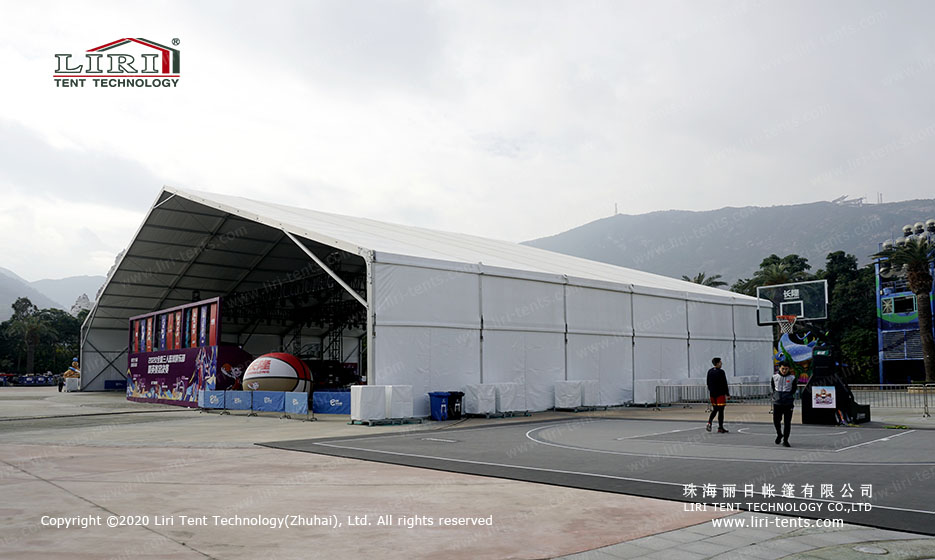
Keep a few spare pins and a spare panel in stock. One bent part can take a tent out of service for a week, and a replacement ordered late is worse than one bought early. If you are still unsure about owning at all, our guide on whether to buy or rent a party tent sets out the choice in plain terms.
A simple first order
A sensible first order is small. Get one mid-size frame tent, one larger tent from the same family, and sidewalls and spares for both. Find a dry place to keep everything before it arrives. Add a second tent in the size customers ask for most before adding a new shape or a much bigger span.
After one season you will know which jobs actually came in, which sites were awkward, and which parts wore out. That is far better information than any catalogue can give you. Let it decide the second order, and the business grows at a pace you can handle.
If you are putting together a first order, tell us the events and sites you expect. We can help you check the sizes and the parts list before anything is bought, so the first tent goes out to work rather than into storage.