Buying or renting a party tent is really a question about how often you will use it, not just about the price on the day. Renting suits a one-off party because the hire company delivers, puts up and takes down the tent. Buying makes more sense when the same tent comes out several times a year and you have somewhere dry to keep it. This guide explains the real differences, the costs that are easy to miss, and a simple way to work out which choice fits your events.
What you get either way
A party tent is a frame covered with a fabric roof. The frame is usually aluminium, a light metal that does not rust, and the roof is a coated cloth that keeps the rain out. The four sides can be left open or closed with separate panels. Whether you rent or buy, this is the same basic structure, so the real difference is who looks after it.
With a hire, the company brings the tent, sets it up, and collects it afterwards. You choose a date and a size, and the tent appears. With a purchase, the tent arrives boxed and becomes yours to store, move, clean and put up. Almost every other difference between the two choices follows from that one sentence.
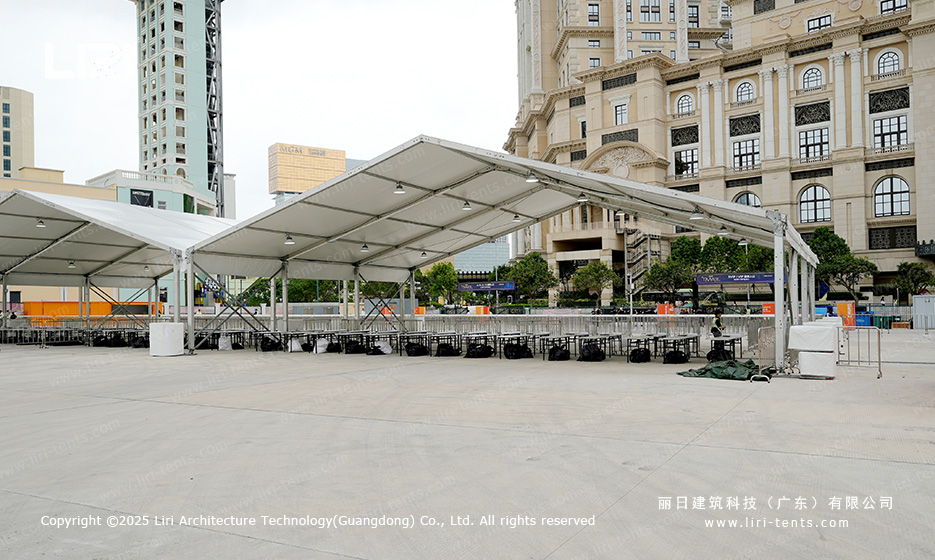
Size is worth understanding early, because it is where people make costly mistakes. Tents are listed in metres in most catalogues and in feet in others. Check which unit a quote uses, and keep to one unit while you compare.
A 6 m by 12 m tent is about 20 ft by 40 ft. Mixing the two in one plan leaves a tent that does not fit the lawn.
Do not choose a size from floor area alone. Square metres tell you nothing about how many people can sit comfortably, because tables, chairs, a walkway, a food area and a place to dance all take space. A size and buying guide helps you plan the layout first and think about guest numbers afterwards.
When renting is the easier answer
If you are planning one birthday, one wedding, or one school fair, renting almost always wins. You pay for the days you need, and nothing sits in a garage for the other fifty weeks. The hire team knows how the frame goes together, and they carry spare parts when something bends or a zip fails.
Renting also removes the jobs that come after the party. Wet fabric has to be dried before it is folded away, or it can pick up a smell and grow mildew. A hire company takes that problem away with the tent. For a host who simply wants the day to go well, that is worth more than it sounds on a quote.
There are two honest limits. Popular weekends book up early, so a spring wedding may need a date held months ahead. You also take the size and wall panels the company has in stock. Ask what is available before you build the rest of the plan around it.
When buying starts to make sense
Buying becomes sensible when the tent comes out again and again. Rental businesses, hotels with a lawn, schools, clubs and venues all hold events on a calendar they control. Owning the tent means no booking queue, no delivery window, and the freedom to set up a day early when the weather looks uncertain.
It also lets you build the tent you actually want. You can add windowed panels, a solid wall behind a buffet, or a clear section facing a garden, and keep those parts together as one set. Browse the party tent frames and sizes to see how much the basic package varies before any extras are added.

The trade-off is that everything becomes your job. A tent this size needs a dry place to store it, a vehicle long enough to carry the frame, and two or more people to put it up. Fabric panels must be dry before they are packed. If any of those three are missing, a cheap purchase turns into an awkward one very quickly.
Think about who will own the work, not just who will own the tent. A hotel with a grounds team and a store room is in a good position. A family with one car and no spare space usually is not, even when the price looks attractive.
The costs that are easy to miss
The tent itself is only the start of the list. Flooring, tables, chairs, lighting and heating are separate items, and a bare frame on grass is not a finished venue. Hire quotes often bundle some of these, while a purchase rarely does, so compare like with like before deciding that buying is cheaper. A list of the basic parts and extras is a useful checklist when two quotes look very different.
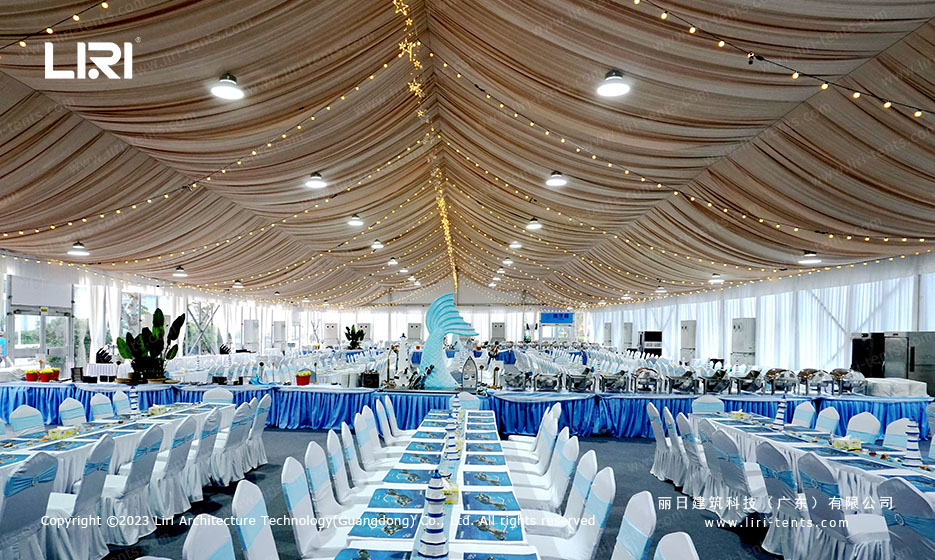
There are smaller ongoing costs too. Sidewall panels wear out faster than the frame and may need replacing. Zips, hooks and pegs go missing. A tent packed away damp needs cleaning before the next use.
None of these is large on its own. Together they are the reason an owned tent is never truly paid for after one cheque. Storage is the one people forget most often, because frame tubes are long and fabric dislikes a damp shed. Measure the space where the packed tent will live before you compare the two prices.
A simple way to decide
Write down two numbers. First, add up what hiring would cost for every event you expect in the next two or three years. Second, add the purchase price, the extras you would still need to buy, and a little each year for storage, cleaning and replacement panels. Whichever line is lower is a good starting point, and the gap is often closer than people expect.
Then ask three plain questions. Do I have somewhere dry to keep a frame this long? Do I have people who can put it up safely? Will I want the same size and the same walls at most of my events?
Three yes answers point towards buying. A single no is usually enough to keep renting for another season. Neither answer is a mistake, because you can change your mind next year.
If you are still unsure, renting first is a low-risk way to learn. Two or three hires tell you which size you keep asking for, which wall panels you actually use, and how much help you need on setup day. That makes a later purchase far more accurate than a guess made from a catalogue.
Neither choice is permanent. Many people rent for a few years, then buy once their events settle into a pattern. Plenty of rental companies start exactly that way. The right answer matches how often you will use the tent and what you can look after.
If you are weighing up a purchase, tell us your dates and the space you have. We will set out the sizes and parts that fit, with the costs written down plainly.