Shopping for a small party tent for sale usually means looking at compact frames built for backyards, birthdays, and weekend gatherings rather than large event halls. The sizes stay manageable enough to set up by hand, yet they still give you a dry, shaded spot for food, seating, and a little dancing.
What counts as a small party tent?
A small party tent for sale most often covers 64 to 200 sq ft of floor. The common footprints are 8×8, 10×10, 10×20, and 12×12, all measured in feet. At that scale the frame folds down to fit a car trunk.
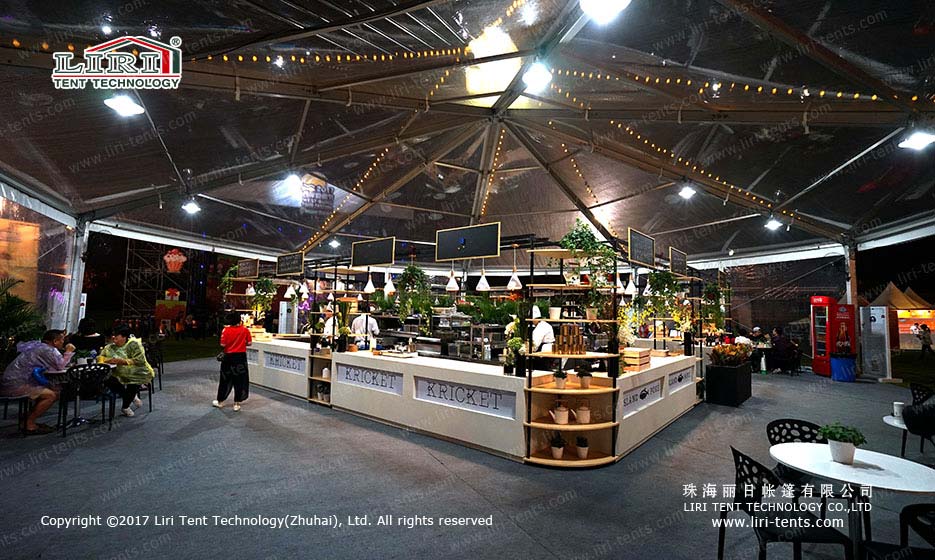
The 10×10 is the entry point at about 100 sq ft, while a 10×20 doubles that to 200 sq ft for a longer buffet or seating row. A small tent range for backyards typically stops around 12×12, because anything larger starts to need a crew and a trailer.
How many guests fit under one?
Capacity follows floor area. Plan roughly 10 sq ft per standing guest and about 15 sq ft per seated guest once you allow for tables. A 10×10 holds around 8 to 12 seated or a standing group near 16, while a 10×20 seats closer to 20 to 24 with a serving table.
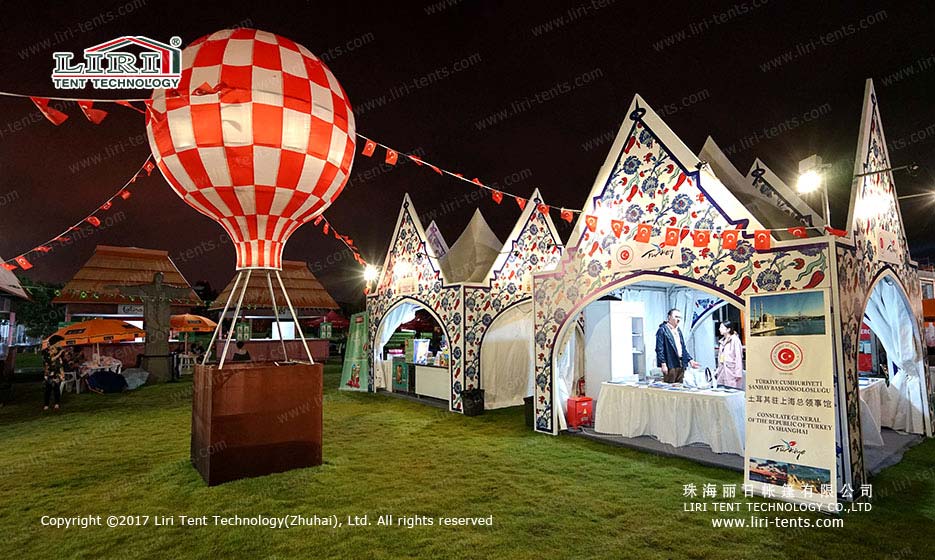
These numbers shift with furniture and weather walls. Backyard tent setups with walls lose a little interior space but gain a calm, enclosed feel that reads as a real room rather than a canopy.
Where a small party tent works best
The natural home for these tents is the backyard, a driveway, or a small patch of lawn. They suit birthday parties, graduation send-offs, and low-key weekend cookouts where you want cover without renting a hall.

Because the frame is light, a pop up party tent option can move between a garden one weekend and a parking spot the next. Just keep it off hard, uneven ground unless the feet are rated for that surface.
What to check before you buy
Frame material decides weight and life span. A lightweight aluminum frame tent resists rust and stays easy to carry, while steel costs less but adds real heft. Look at the joint hardware, because that is where a cheap tent usually fails first.
Fabric matters as much as the frame. PVC and coated polyester handle sun and rain better than thin PE sheeting, and a durable outdoor party tent build will list a fabric weight you can compare across models. Sidewalls, stake sets, and a roller bag are the extras worth confirming before checkout.
Finally, weigh portability against the wind you expect. A tent you can lift alone is convenient, but it needs rated anchors and a sensible setup routine to stay put on a breezy day.
Frequently Asked Questions
Which features matter most when buying a small party tent?
Frame type, fabric weight, and included sidewalls decide long-term value more than the sticker price. A coated polyester canopy on an aluminum frame outlasts thin PE on steel, so weigh build quality before the discount.
Do I need a permit for a small party tent in my backyard?
Most private backyard setups under a certain size need no permit, but local rules vary by city and by how close the tent sits to property lines or utilities. Check with your city before a street-facing event.
What wind speed should a small party tent be rated for?
Rating depends on frame profile and anchoring, not just the label. Use the supplied stakes on grass, add weights on hard ground, and never trust a small tent in gusts above its stated limit.