A small party tent rental is the practical answer for gatherings of 20-80 guests, with typical footprints ranging from 3x3m up to 6x12m. Hosts who organize fewer than four outdoor events per year, or who need a one-time setup for a graduation party, anniversary dinner, or backyard celebration, save the upfront purchase cost and the storage problem that comes with tent ownership. The rental model matters because the equipment itself is commercial grade — the same 6061-T6 aluminum frames and 850g/m2 PVC fabric used on large event tents — so renters get professional build quality without the capital commitment.
Size selection is the first decision, and it follows guest count more than square meters. Standing cocktail receptions need about 0.75m2 per guest, while seated dining at round tables needs roughly 1.5m2 per person. A 3x6m tent handles 24 standing or 12 seated guests; a 4x8m unit seats about 40; and a 6x12m tent covers up to 80 seated with room for a small dance floor. Always add floor area for a buffet table, a bar, and a DJ or dance zone before rounding up to the next standard size.
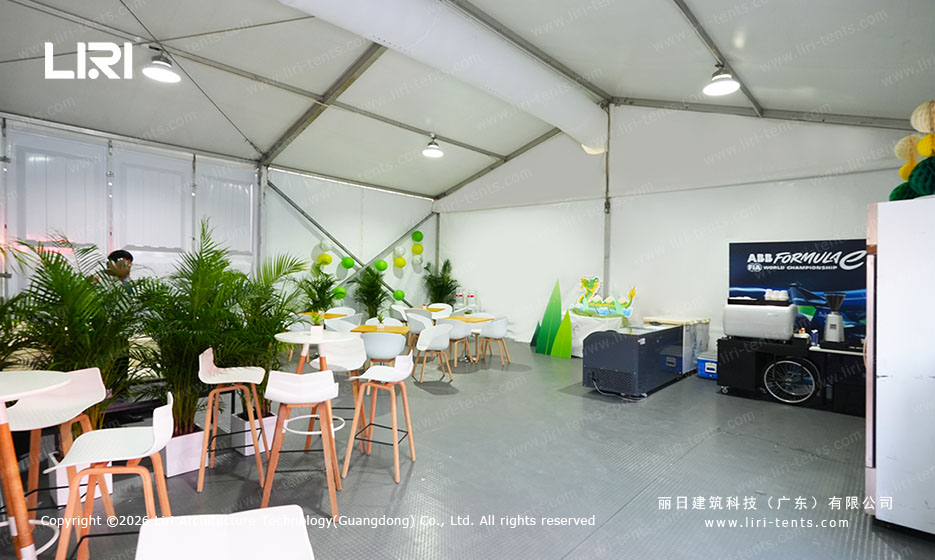
What You Actually Get With a Rental
A rental package is not just the frame and roof. Standard agreements include sidewalls, and most operators bundle optional extras: transparent PVC window panels for natural light, flooring or subfloor for $3-8 per square meter, LED string lighting packages, and portable heaters or air conditioners for climate control. Delivery and setup usually adds $100-200 within a 50km radius, and most companies charge a refundable damage deposit of 20-30% of the rental fee.
Most rental fleets carry the same small gazebo party tent models used for backyard parties, so you can preview the exact frame and fabric before booking. For one-off events, rental beats purchase on every cost line. A complete 6x6m tent rental with lighting, two window panels, and setup averages $500-800 for a weekend in most markets — while buying the same equipment means paying several thousand dollars up front plus storage and maintenance. The trade-off appears only when you start hosting multiple events per year, at which point a large party tent rental comparison or outright purchase becomes worth modeling.
How to Size and Configure Your Small Tent
Sizing starts with the seating plan, not the guest count alone. For a buffet-style party, guests spend most of the time standing, so the same 3x6m tent that seats 12 at tables can comfortably hold 24 mingling guests. Add 2m2 for a buffet table, 3m2 for a bar, and 4m2 for a dance floor or DJ booth, then round up to the next standard size rather than squeezing into the minimum calculation.
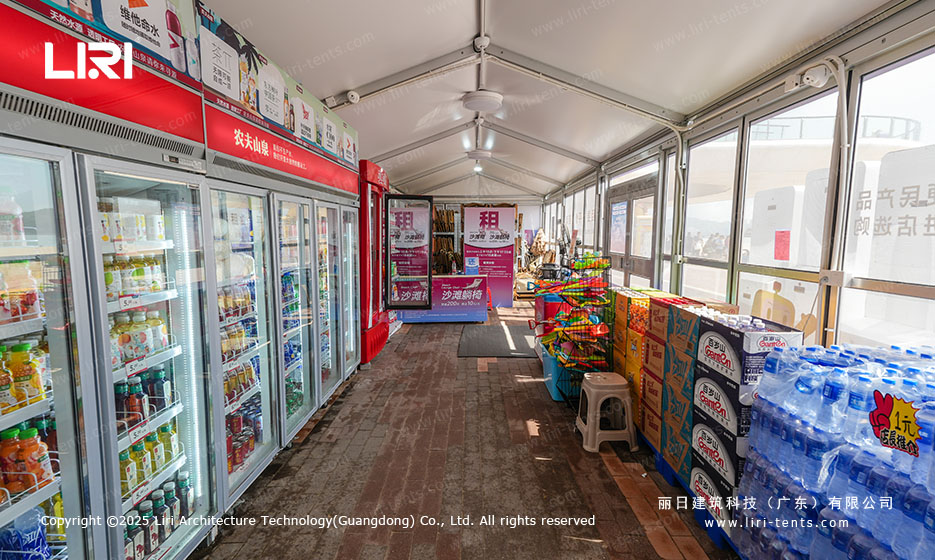
Configuration follows the same logic. A rear wall and two side walls turn an open canopy into a wind-protected dining area, while leaving the front open keeps the space inviting. For daytime events, consider clear-view PVC panel upgrades that flood the interior with light; for evenings, solid walls with lighting create a warmer room. Accessories such as wall linings, curtains, and heating units can be added to most rental tents, and a expandable modular tent layout lets you extend the footprint if the guest list grows.
What to Verify Before You Sign
Five checks protect you before signing a rental agreement. First, confirm the wind rating: ask for the manufacturer engineering specification and make sure the tent is rated for 80km/h with standard anchoring. Second, verify fire certification with batch-specific B1 or M2 documentation rather than a generic claim. Third, measure the site and confirm level ground under 5% grade, with 30cm anchor depth on soil or ballast weight on hard surfaces.
Fourth, check insurance: the rental company should carry liability coverage for tent installations, and your homeowner or event policy should extend to temporary structures. Fifth, review the weather contingency clause, including wind thresholds and refund terms. Working through this list takes fifteen minutes and prevents most of the problems that turn rental events into headaches. If the company cannot produce the engineering documentation, that is a reliable sign to keep shopping.
Timing matters as much as equipment. Rental calendars fill fastest from late spring through early autumn, so booking six to eight weeks ahead guarantees the size and wall configuration you want; last-minute requests often settle for whatever is still on the lot. Weekend rates run higher than weekday rates at most companies, and multi-day bookings usually earn a discount on the second day. If your event date is flexible, shifting it by a week can cut the total cost noticeably.