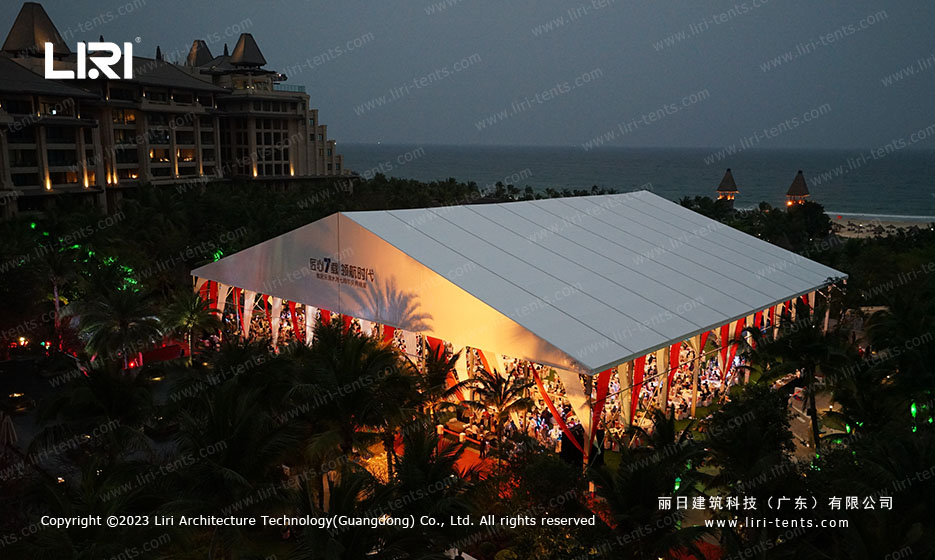
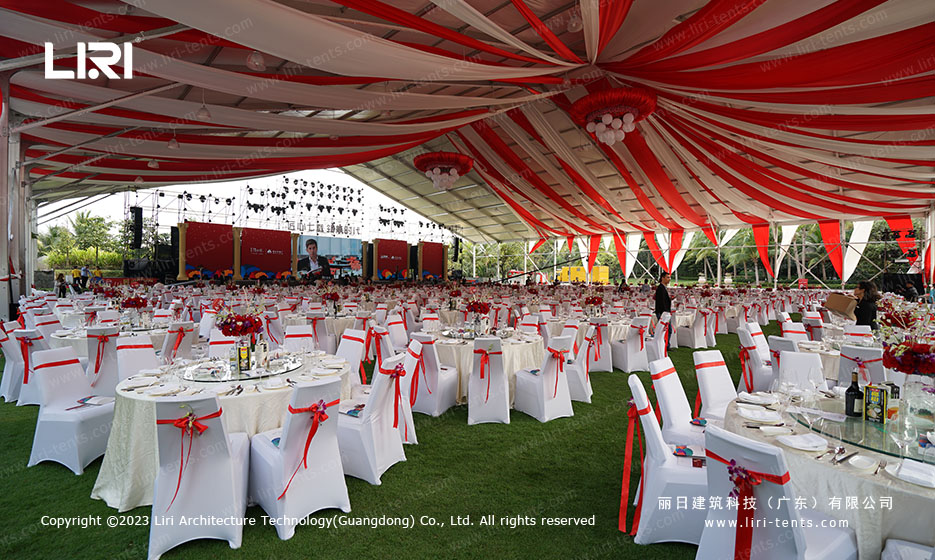
Selecting the correct Party Tent types is a matter of balancing structural physics with spatial aesthetics. For B2B buyers, the “type” of tent dictates more than just the look—it determines the Wind Load Capacity, the efficiency of rain runoff, and the complexity of the assembly process. Modern party tents utilize 6061-T6 aluminum alloy frames, allowing for lightweight yet rigid structures that can span up to 60 meters without internal pillars. Event Tent
The transition from traditional A-frame designs to specialized geometries like Arcum or Multi-Sided systems allows organizers to optimize for specific environmental stressors, such as high-altitude winds or heavy coastal precipitation.
Arcum Tent
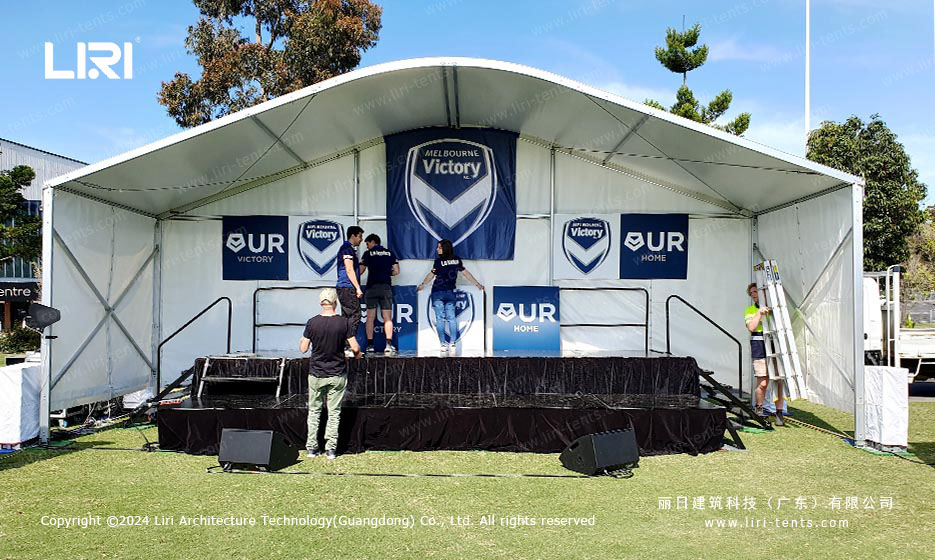
The Arcum Tent is defined by its distinct curved roof profile, engineered using CNC-bent aluminum beams. This geometry isn’t merely aesthetic; the arc significantly improves aerodynamic performance and accelerates water runoff, preventing the “pooling” effect common in flat-pitched structures. It offers a modern silhouette that increases interior peak height, making it ideal for premium brand activations and high-end VIP lounges.
Curved Tent
While similar to the Arcum, the Curved Tent often utilizes a more pronounced radius to maximize vertical interior space near the eaves. Built on a modular clear-span system, this type is highly resilient against wind pressure due to its streamlined shape. Its structural integrity relies on precision-engineered ridge connectors, providing a sophisticated alternative to the standard peak-roof marquee for large-scale corporate galas.
Aluminum Tent
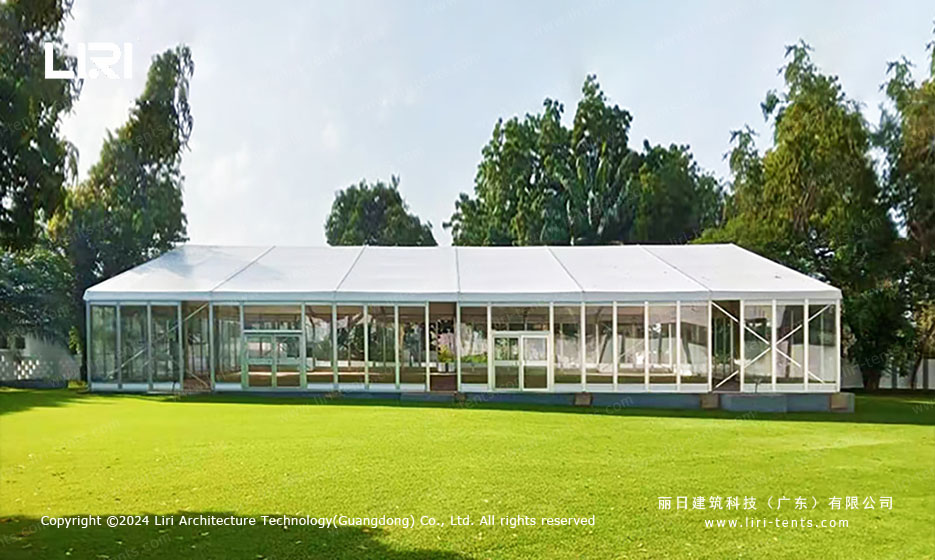
The Aluminum Tent serves as the industry standard for durability and ROI. Constructed from anodized 6061-T6 aluminum, these tents are resistant to corrosion and structural fatigue, offering a lifespan of over 15 years. Unlike steel alternatives, the aluminum frame is lightweight, reducing logistics costs and setup time. Its high strength-to-weight ratio allows for massive spans while maintaining a safety factor compliant with international building codes. Party Tent
Multi-Sided Tent
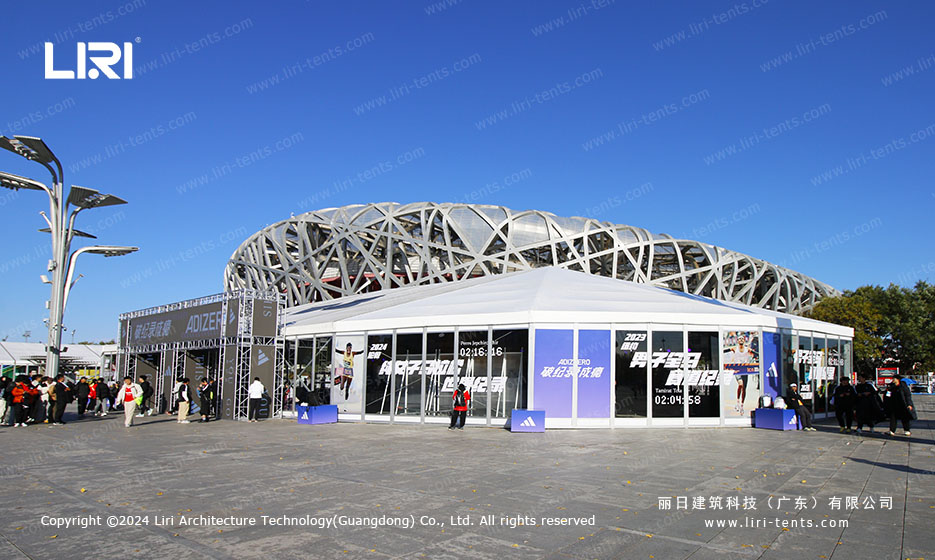
Multi-Sided Tents (Hexagonal, Octagonal, or Decagonal) utilize a polygon structural layout to create a centralized, near-circular space. By increasing the number of support columns and roof beams, the load is distributed more evenly across the perimeter. This makes the Multi-Sided Tent exceptionally stable in gusty conditions and provides a unique architectural focal point for high-capacity social gatherings or temporary resort facilities.
Read more
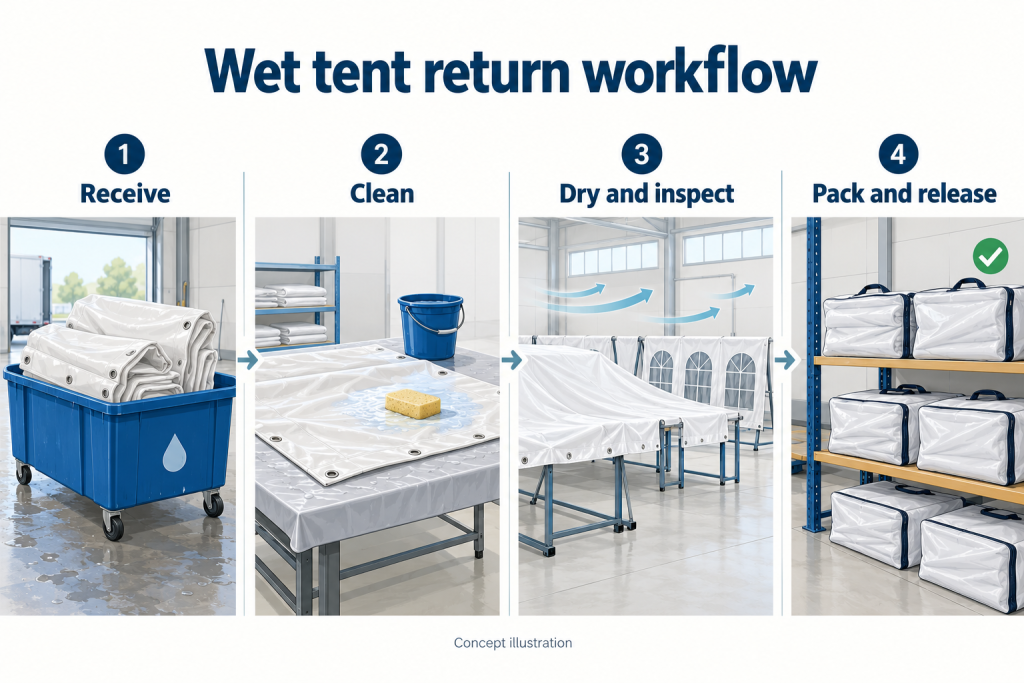
Wet Party Tent Returns: Drying, Inspection and Storage
Home » Sales » Modular Party Tent Types : From Outdoor Leisure To Business EventsA wet party tent returning from an event needs a place in the work queue before it needs a place on the shelf.
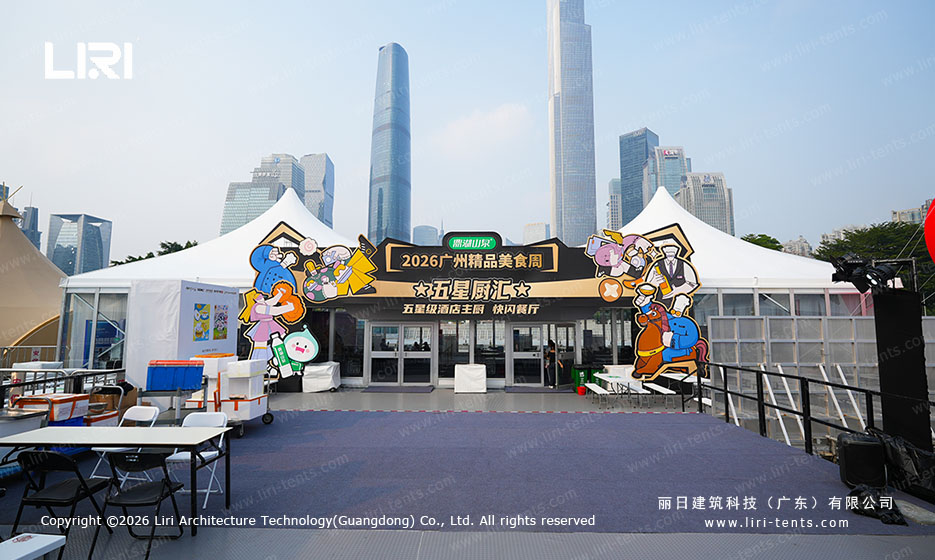
Food Festival Party Tents: Vendor Stalls and Covered Dining
A Guangzhou food festival used high peak vendor stalls and a separate white party tent for covered seating and food service.
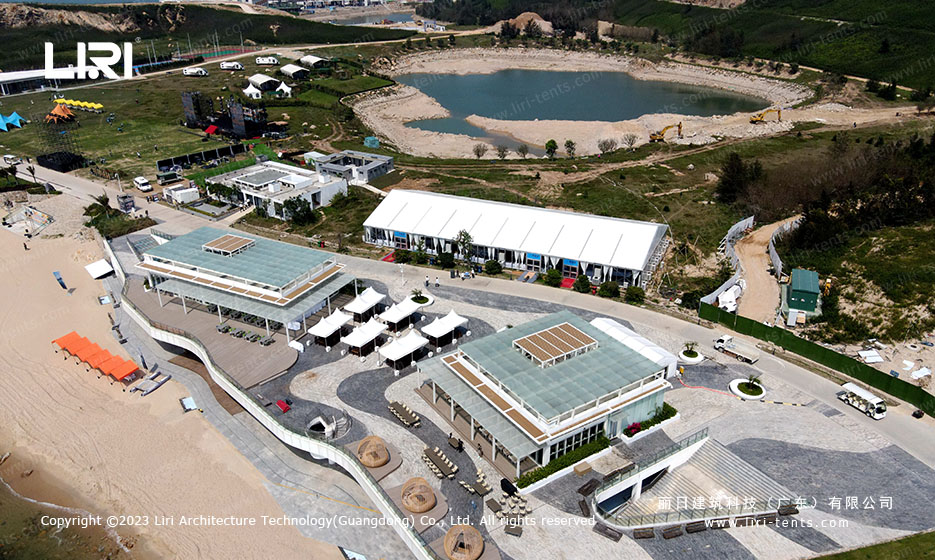
20×50 Event Canopy: Size, Capacity, and Layout Ideas
Home » Sales » Modular Party Tent Types : From Outdoor Leisure To Business EventsA 20×50 event canopy gives about 1,000 sq ft of covered floor on a clear-span frame. That long, narrow footprint changes how you plan the inside.
For detailed specifications, volume pricing, or to discuss your requirements, contact our team with your project details and preferred timeline. Outdoor Party Tent